Before Replacing a Farm Gate With a Cattle Guard, Plan the Bypass
Quick answer: A cattle guard may let vehicles pass without someone opening a farm gate, but it does not replace every job the gate does. Before changing the entrance, list the animals, people and equipment that use it. If any of them need a different crossing, plan a separate, closable gate before removing the original one.
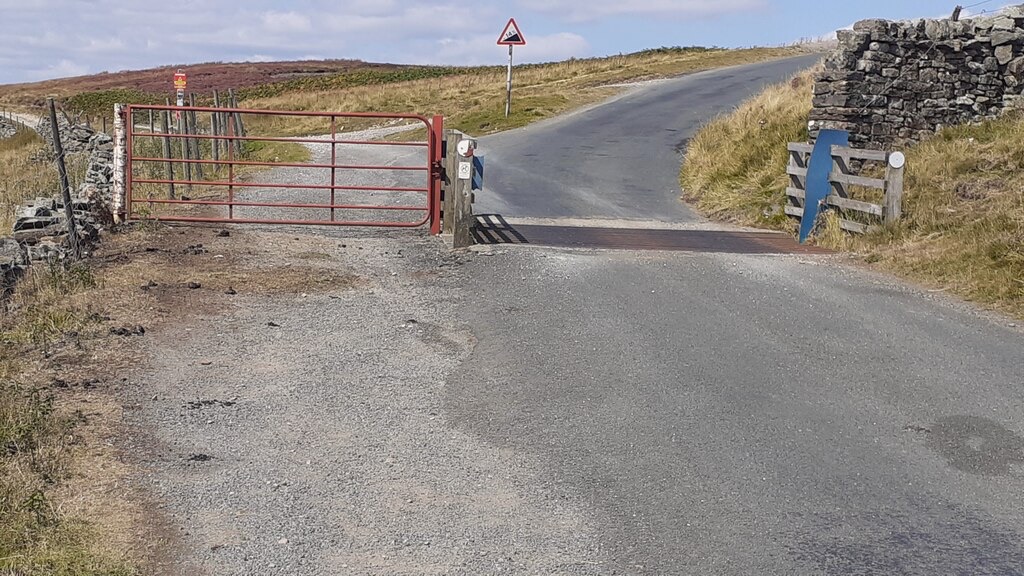
1. List who needs to cross the fence line
For several normal workdays, note who uses the entrance and why. Include the things that happen less often: moving cattle to another pasture, leading a horse, bringing in a wide trailer or getting machinery to a field. Write down the largest vehicle or implement you actually expect and who needs to open or close the gate. A route that works for the pickup truck might not work for a livestock movement or for a wide implement.
If the same gate also keeps animals on the property or restricts vehicle access, write those down as separate jobs. A grate across a road does not close the road to vehicles. Don't assume a guard intended for cattle will keep out deer or contain every kind of livestock. Confirm the species and the containment goal with a local agricultural extension adviser or qualified farm-fence designer.
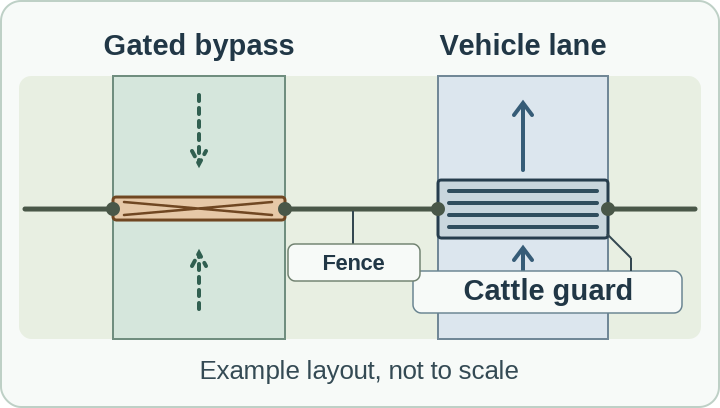
2. Mark the through lane and any bypass separately
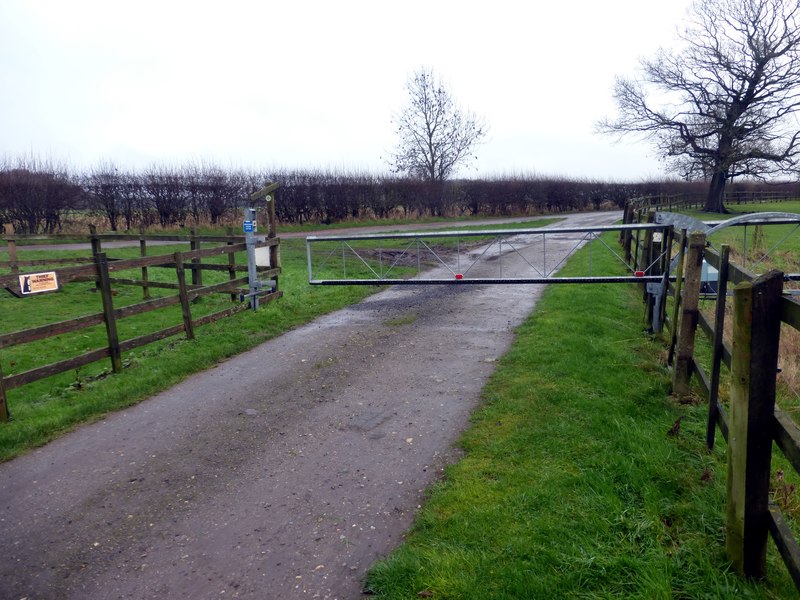
Sketch the fence line and the existing gate. Mark the lane proposed for ordinary vehicle traffic. Then mark a separate gated route for anyone or anything the designer says should not use the guard. In particular, don't plan to lead or ride a horse across the grate. In its equestrian recreation guidance, the Forest Service shows a separate trail gate beside a cattle guard. University of Arkansas Extension also notes that a wide adjacent gate can provide passage for extra-wide equipment and livestock.
On your sketch, follow each route all the way through: Where do users approach? Where do they go once inside? Can the bypass gate be closed again without leaving a gap in the enclosure? A gate on the same approach as the guard isn't necessarily a bypass. The alternative route has to avoid the grate itself.
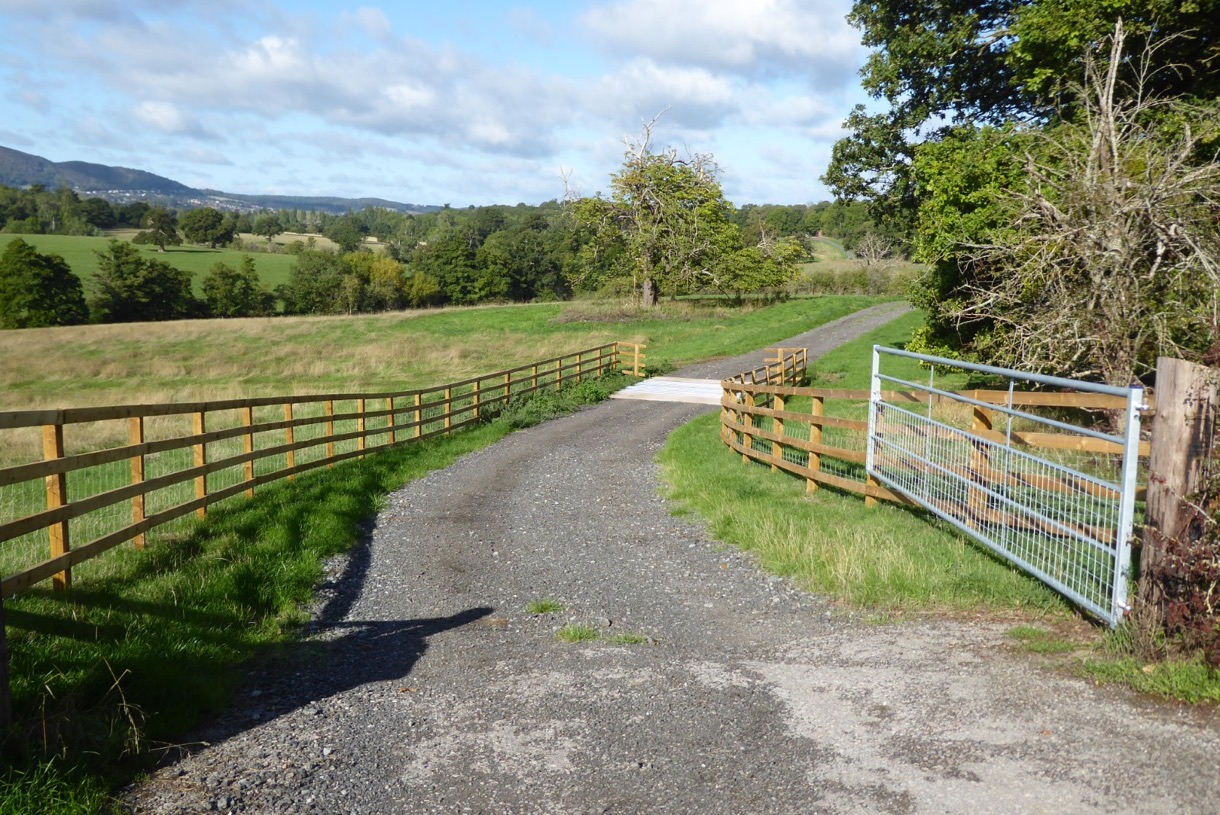
3. Walk the site before choosing what to install
Walk both proposed routes from safe ground with the people who regularly use the entrance. Photograph the approach, the fence on both sides and the space on either side of the proposed bypass. Identify a safe place for a driver or handler to wait while the bypass is opened and secured again. If vehicles queue near a public road, separately check the [waiting space outside the gate](/guides/driveway-gate-waiting-space/) so a stopped vehicle does not have to sit across the road or sidewalk. Don't have people or animals cross an existing grate to see whether it works for them.
Give the sketch, photos, expected vehicle loads and animal list to the designer. Ask them to confirm whether a cattle guard is suitable for the intended use, how the fence stays continuous at both crossings and how the guard will be accessible for inspection and maintenance. Have them check the particular approach, equipment and crossing types rather than copying a photo or a standard drawing.
If vehicles also queue near the road, use the driveway gate waiting-space checklist to document the approach before you change either crossing.
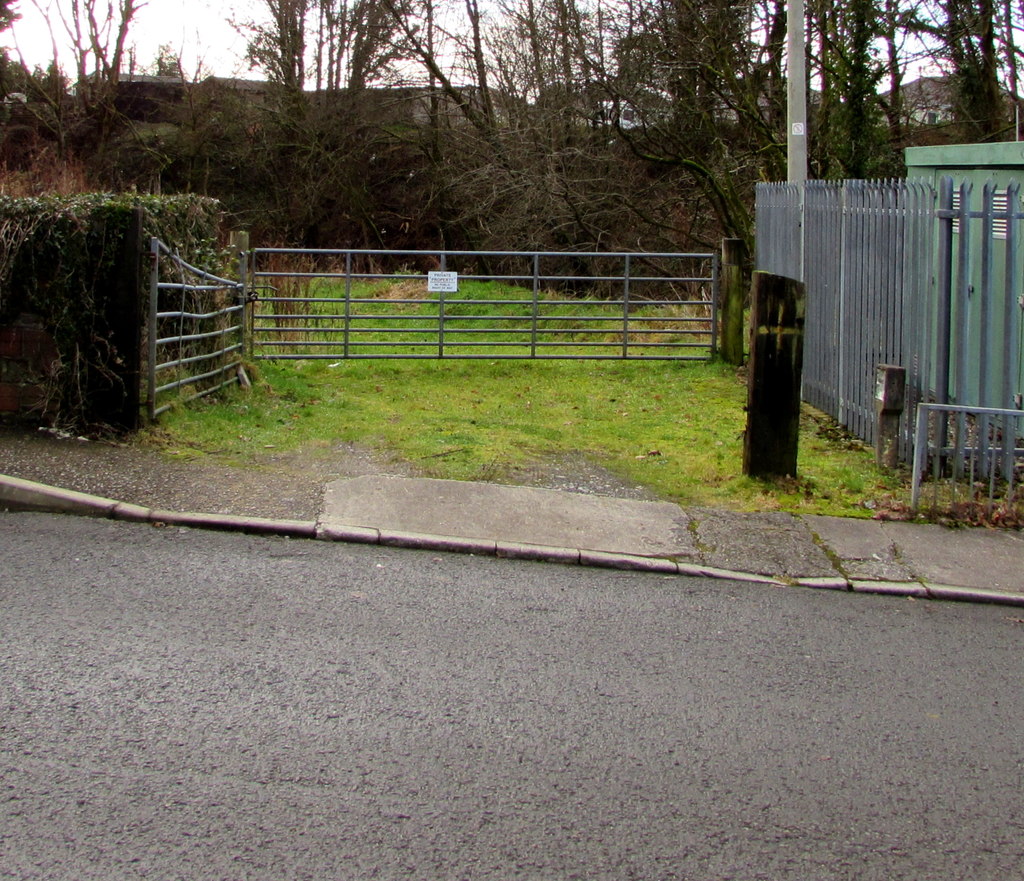
4. Keep the original gate if the plan doesn't solve both jobs
If you can't show how to cross without the grate, how to close the alternate route afterward, or how to preserve the site's containment and access needs, keep the existing gate in service until the layout is resolved. A gate-only entrance may still be the better fit where vehicle trips are infrequent or where the planned guard doesn't suit the animals you need to control.
Sources5
- USDA Forest Service: Equestrian Design Guidebook, Chapter 10, Fig. 10–16
- University of Arkansas Extension: Cattle Guard Concrete and Steel Drawing
- British Columbia Ministry of Agriculture: Gates, Cattleguards and Passageways
- Original photograph on Wikimedia Commons · Roger Templeman · CC BY-SA 2.0 · Compressed as JPEG; dimensions unchanged. Adapted photo: CC BY-SA 2.0.
- Original photograph on Wikimedia Commons · Philip Halling · CC BY-SA 2.0 · Resized and compressed as JPEG. Adapted photo: CC BY-SA 2.0.
Related Posts
 Practical Guide
Where to Place a Driveway Gate: Waiting Space, Sidewalks and the Public Road
A gate position can fit the fence line yet leave a waiting car across a sidewalk or road. Before selecting a post location, ask a designer to evaluate the entrance as a complete arrival and departure route. This is not a universal setback chart: the controlling road, building and fire authorities, s
 Practical Guide
A Separate Pedestrian Entrance Beside an Automatic Driveway Gate
A vehicle gate is not a pedestrian doorway. Opening it partway, adding a keypad, or relying on a photoeye does not turn its moving path into a walk-through entrance. Plan a separate pedestrian route that avoids the vehicle gate throughout its movement. DASMA’s safety guidance and the DoorKing 6300 m
 Practical Guide
Driveway Gate Fire Department Access: What to Confirm Before You Install
Check who approves fire department access at your driveway gate, what to include in a site sketch, and what to verify at handover.