Where Does a Garage Floor Drain Go? Check Before You Use It
A floor drain does not tell you what it is connected to. If you cannot verify its destination, leave it unused. Start with the plumbing records, not with a bucket of water.
1. Record which drain you mean
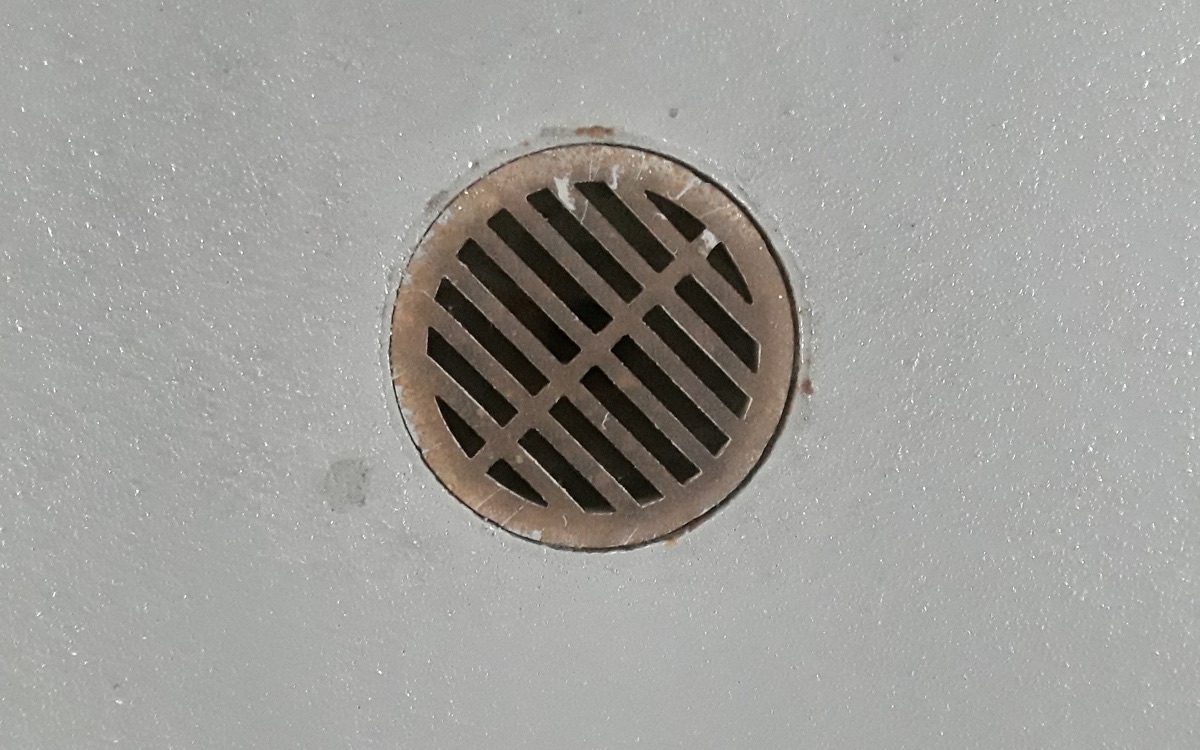
Photograph the grate and its position on the garage floor without pulling the cover off. On a simple sketch, mark its position relative to the garage opening and the nearest wall. If there is more than one grate, label each one. This helps the person checking the plans identify the right branch.
A round grate, a trench grate, or a drain that appears to work tells you nothing about the destination. A nearby street inlet is also not evidence of a connection.
2. Ask for the indoor plumbing branch
Ask your local building or permit office for a plumbing plan that shows this drain and where its branch goes. If the garage was added or altered, ask whether there are newer records for that work. Compare the location of the drain on the plan with what you can see without moving equipment or lifting the grate.
A utility map may show where the property’s pipe connects to the main in the street, but leave out the branch from the garage. Do not treat a street map, a neighbor’s experience, or proximity to a storm grate as proof of the route.
3. If the route is unclear, leave it unused
If there is no usable plan, the branch is missing, or a renovation may have changed the piping, tell a licensed plumber exactly which grate you mean and ask them to trace that branch. Do not remove the cover, pour in water or dye, or run a hose to see where it emerges.
Confirm with the appropriate local wastewater or stormwater authority what the identified connection is allowed to receive. Knowing where a pipe goes does not automatically authorize discharging into it.
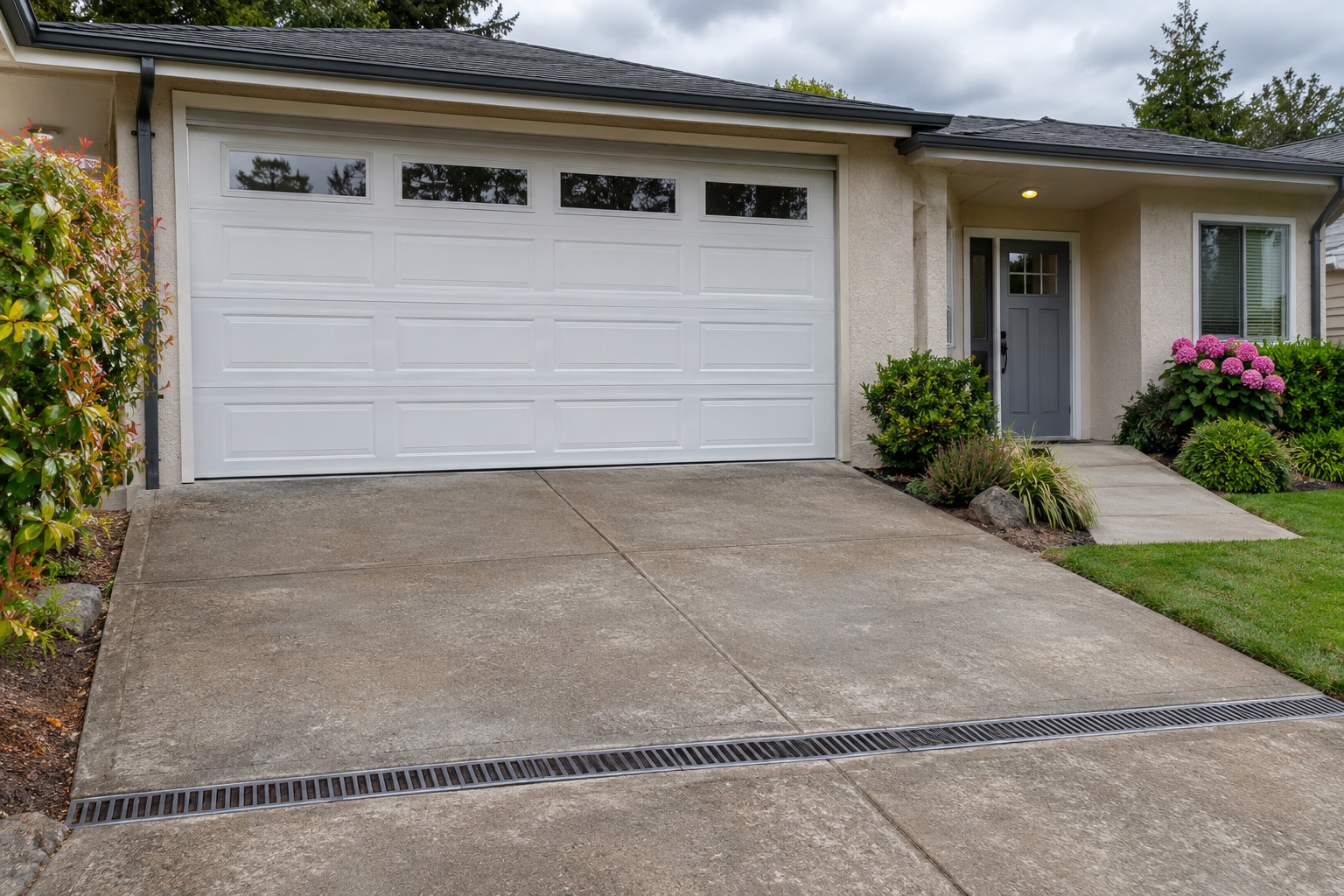
If your concern is water entering from outside, also check how to keep a usable exit during garage flooding. That is a different problem from identifying a floor drain.
4. Use a commercial car wash in the meantime
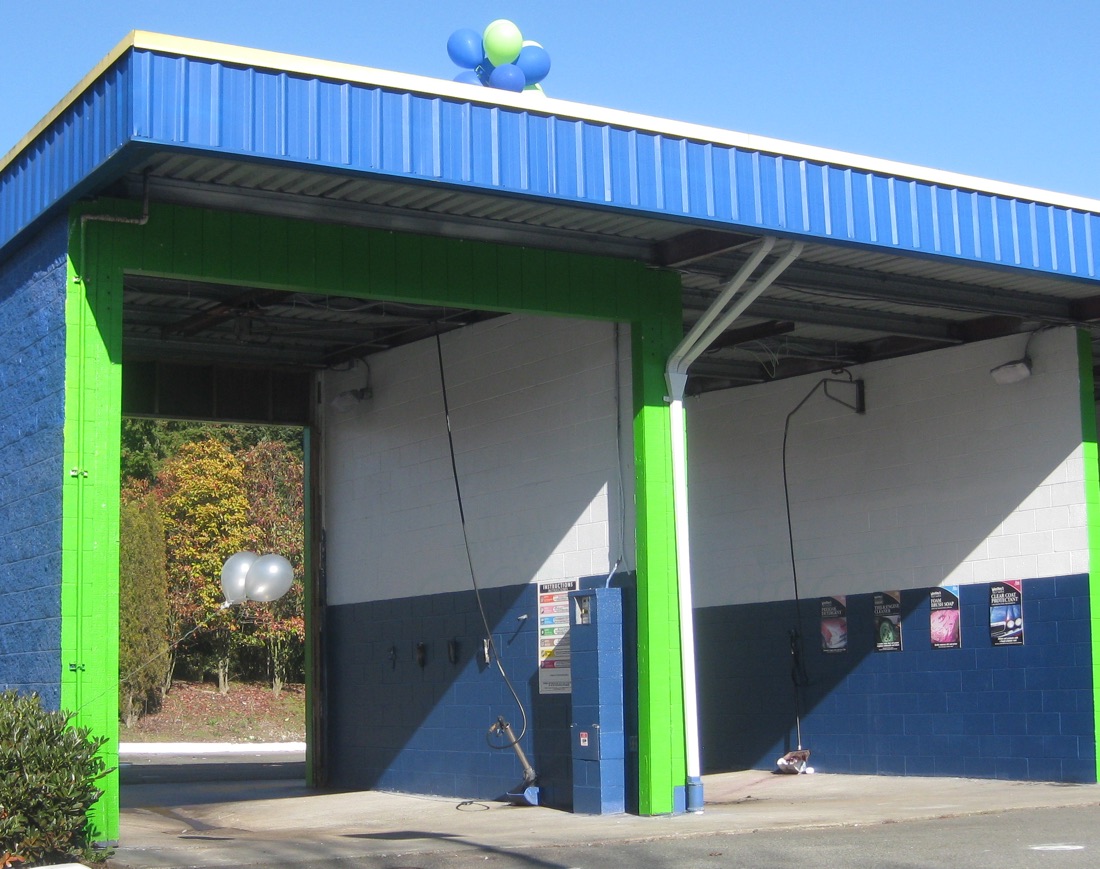
If you need to wash the car before the drain is identified, use a commercial car wash rather than rinsing wash water into the garage drain. The wash bays shown here are an example of that separate option, not an example of how your garage is plumbed.
Never use the garage drain to dispose of fuel, oil, antifreeze, solvents, or paint. Check your local household hazardous-waste instructions for disposal.
Sources6
- City of San Diego: sewer connection records
- City of San Diego: building records and public improvement drawings
- U.S. EPA: vehicle washing at home and commercial washes
- Minnesota Pollution Control Agency: drains in residential garages
- Drain hole in the office garage · Ser Amantio di Nicolao · CC0 1.0 · Cropped, resized and compressed as JPEG.
- Self-service car wash in Seattle, Washington · J (jseattle) · CC BY-SA 2.0 · Cropped to remove people, vehicles and identifiers; resized and compressed as JPEG. Adapted photo: CC BY-SA 2.0.
Related Posts
 Practical Guide
Garage Door Flood Preparation: Barriers, Limits and Safe Exits
Plan garage flood protection before water arrives: distinguish ordinary leaks from flooding, assess barrier limitations and keep evacuation and electrical safety first.
 Practical Guide
Gasoline Storage Near a Garage: A Safer Place for Your Fuel Can
Store lawn mower and yard-tool gasoline in a dedicated fuel can, in a cool, ventilated shed away from the house. Check the label and storage spot.
 Practical Guide
Check Your Garage Driveway Before Leaving After Snow
Check the garage threshold, driveway and street edge before backing out after snow. Spot a plow ridge or hidden edge before you commit to the trip.